China’s growth story seems familiar: robust infrastructure investment combined with heavy manufacturing driven by cheap labor—and a healthy dose of pollution. But those keeping close tabs on current trends among Chinese businesses know that these assumptions don’t always hold anymore.
AB’s China team makes frequent visits around the country to get an on-the-ground look at how this dynamic economy is evolving. Our recent journey took us to Wuhan, a city of 11 million in central China, a transportation and manufacturing hub. We also stopped in Changsha, a city that has experienced phenomenal growth over the last decade.
In a packed four days, three important trends emerged: more firms are automating operations as labor costs rise; Beijing’s push for environmentally responsible regulations is driving industry-wide changes; and the trade war with the US is on everyone’s minds, especially telecommunications manufacturers suffering the brunt of the fallout.
Here’s what we heard and saw.
Day 1: Grocery Shopping in Wuhan
Our first stop was at the French supermarket chain Carrefour, an early arrival in China with expansive superstores. In the centrally located store, Chinese brands—from detergents to snacks to wines—were prominently displayed, while foreign products were often hard to find.
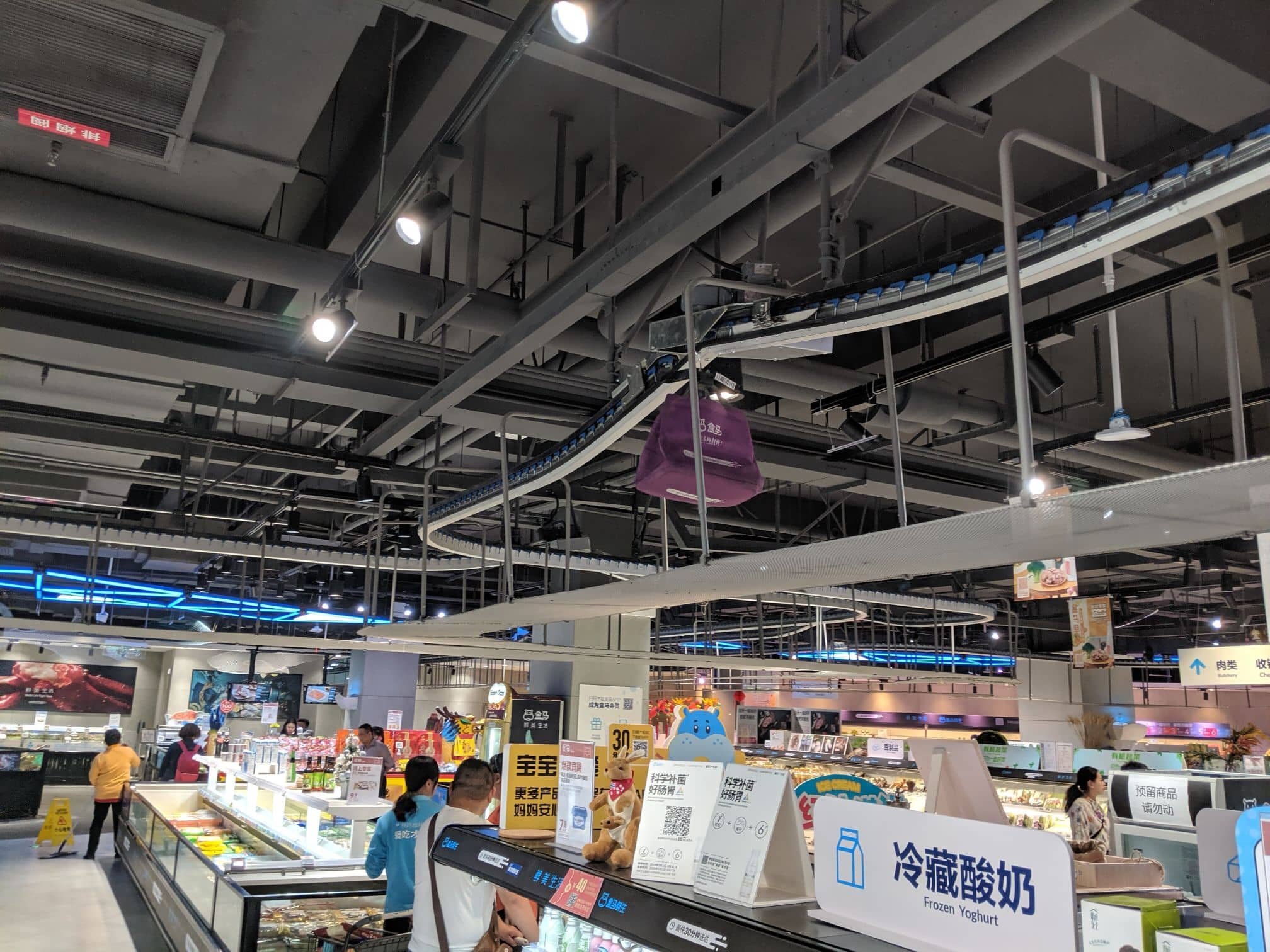
At Hema, Alibaba’s brick-and-mortar supermarket, the bright, compact layout seemed to be geared toward younger, mobile-savvy customers. A conveyor belt spanned the floor, and staff buzzed about picking and packing orders placed via the Hema app.
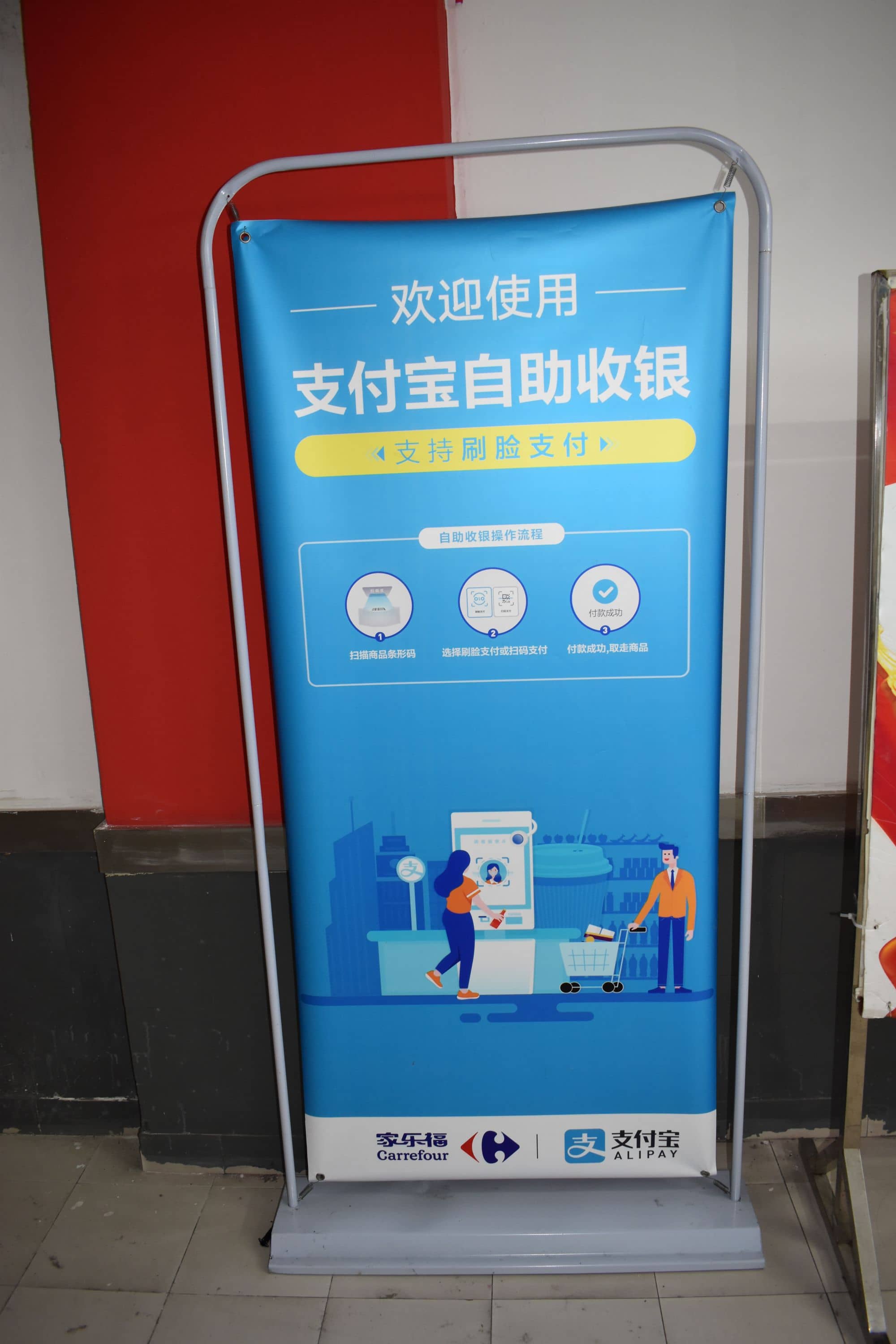
Despite the different shopping experiences, at both supermarkets it was clear that local brands have become very competitive across most consumer staples. Moreover, automation is now common and integrated with mobile payments. Even at the older Carrefour store, self-checkout coupled with mobile payment is becoming the norm.