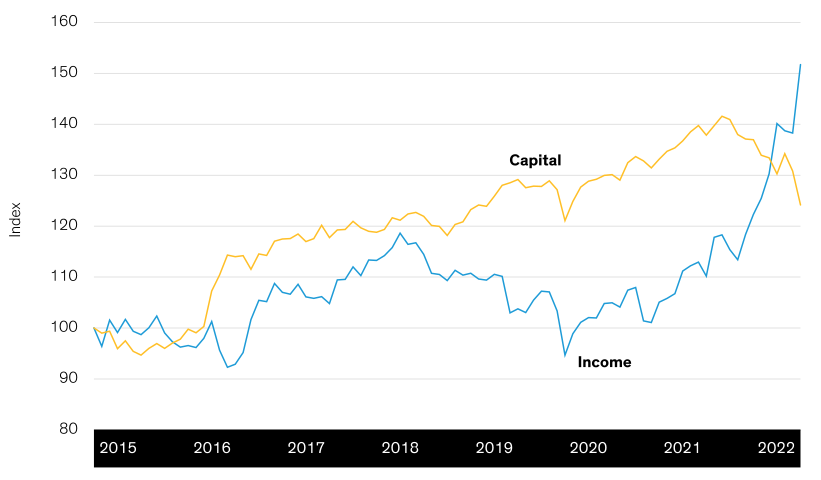
Consider the case of a notional 65-year-old saver. In the Display above, we compare the capital value of the saver’s DC savings pot (yellow capital line) with the income available from that portfolio if converted at prevailing annuity rates (blue income line). This year’s market falls have reduced the capital value (by roughly 10% to 30 September based on a representative target date fund’s total return). But annuity rates for this age group rose by almost 50% in the first nine months of 2022. On that basis, a savings pot worth only 90% of the 2021 value could buy a third more income than last year.
This is possible because rising bond yields have triggered a repricing of annuity rates and transformed annuitization from a largely obsolete retirement strategy to a potentially attractive one. How long can this last? We think UK government bond yields will eventually fall back from crisis levels and annuity rates will fall with them—but the era of ultra-low interest rates that made annuities chronically unattractive is over. This is positive for future DC retirees, who will genuinely have more freedom and choice.
Younger Savers: Lower Valuations Now Mean Higher Returns Later
Younger DC savers will also—ultimately—stand to benefit from lower capital values and higher yields at the start of their careers. Lower valuations today increase the probability of higher returns in subsequent years.
To be sure, early capital losses feel painful and down markets can be discouraging. But younger savers have many investing years ahead and will likely benefit from starting to put their money to work when valuations have fallen to lower levels, setting the stage for greater appreciation potential over time. For DC savers starting to transition from growth assets to bonds, the same point applies: UK fixed-income valuations are more attractive now and switching into them will generate greater income than before.
Bond Market Crisis Refocuses Savings Industry Thinking
The LDI crisis has added urgency to industry debates about key issues such as asset allocation and risk profiles. We believe that, in particular, it will lead to a better understanding of the need for real assets in inflationary times and the attractions of private assets to boost longer-term returns. While UK regulation will shape the outcomes from those debates, we believe DC savers as a whole should benefit from product providers’ heightened awareness of these strategic issues.
DC savers are contending with a challenging economic and market environment today. But the LDI crisis has highlighted key challenges and helped show some ways forward for DC retirees and for DC product providers.