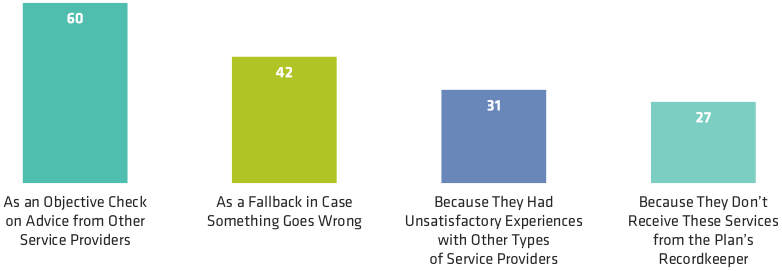
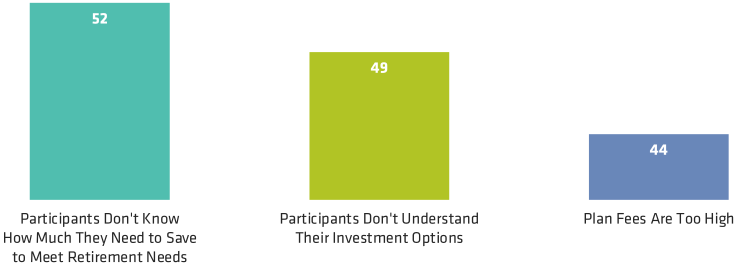
But problems are solvable, and consultants can be great partners to address the likes of financial wellness, plan fees, litigation, leakage and rising separation amid a wave of delayed retirements. Outside expertise can also assist in comparing plan options. Most sponsors know what they want to achieve, but it boils down to distinguishing among all the different choices.
Retirement income solutions, for example, are top of mind for most sponsors. About half say they’re thinking about adding a guaranteed income option to their lineup, and many can benefit from some help with understanding the available solutions.
The same goes for collective investment trusts (CITs), a particularly cost-effective vehicle that just half of plan sponsors said they offer (62% for bigger plans). A little guidance from experts—many of them well-versed in CITs—may be all it takes for more sponsors to appreciate their merits.
Responsible investing is on the radar too—along with many questions. Participant demand is growing for environmental, social and governance (ESG) plan options and some sponsors are incorporating them, but some struggle to distinguish among the raft of choices. Consultants are out front on this, especially in making sense of new US Department of Labor guidelines on ESG plan integration—something we believe is fundamental to better financial outcomes and always in the participant’s best interest.
These and other dynamic shifts aren’t unfolding as rapidly as the pandemic, but their potential impact on plans is expansive. Sponsors don’t have to go it alone. Many welcome and value expert “second opinions,” but still more should consider their added value, not just to navigate the pandemic, but for other challenges sure to come.