Shanghai à Hangzhou
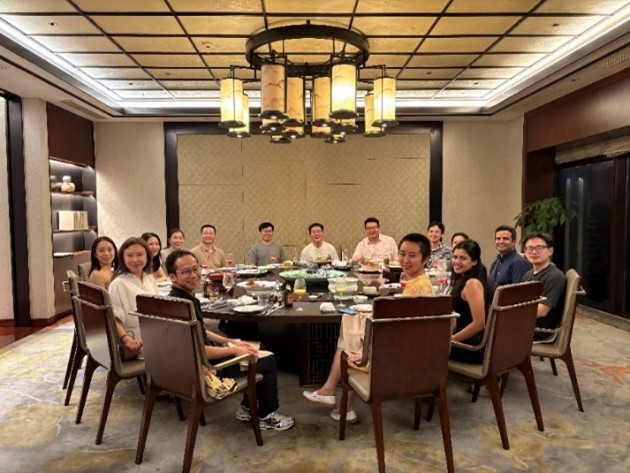
Our analysts are always traveling around in China. We visit company factories, test firsthand new consumer products and services and of course speak with management. But once a year, our entire research team gets together to visit companies in a couple of cities in China. Part research, part team building, these grassroots research trips play an important role in our research process. After all, there is no better way to understand the companies and their operating trends than actually walking the floors of factories and shopping malls.
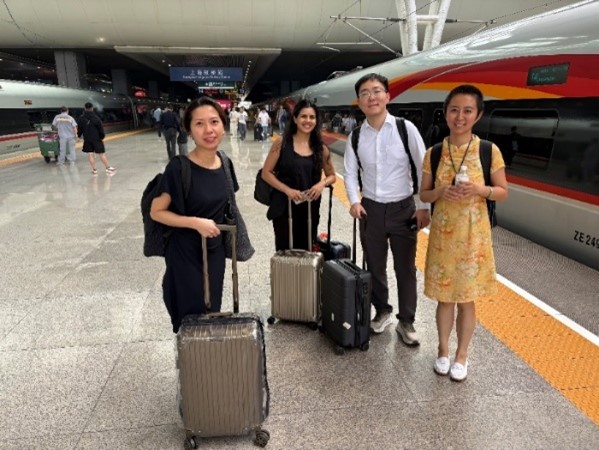
For our 17th annual team China research trip, we will be visiting Hangzhou and Shaoxing in the prosperous Zhejiang Province along the east coast of China. A few of us first assembled in Shanghai, which still enjoys much better international flight connectivity than Hangzhou. We arrived into a rain-drenched city, with the familiar springtime fog and humidity of the Yangtze River Delta hanging over the skyline. The tops of office towers disappeared into the mist, while umbrellas and reflections from neon signs filled the wet streets below.
Pudong Airport, however, felt anything but sleepy. The terminal was busy, and the flow of foreign travelers was noticeably stronger than in the early post-COVID trips. That is consistent with the data. China recorded more than 150 million inbound visits in 2025, up over 17% year on year, while visa-free entries by foreign nationals have continued to surge. With China’s economic slowdown making the country cheaper for many foreign visitors, and with visa-free entry now extended to citizens from 74 countries, tourists are gradually coming back.
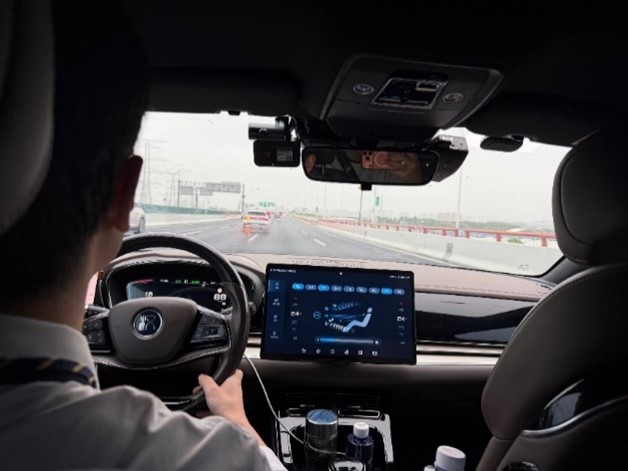
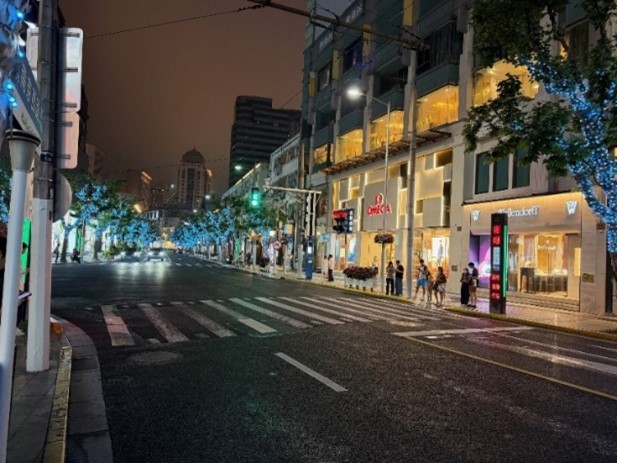
Past dinner time, though, the luxury shops and glitzy malls along Nanjing Xi Road did not appear as busy as I remembered them during the go-go years of China’s economic boom. Walk-ins for dinner were easy. Perhaps it was the spring rain, but the roads were not all that congested either. There can still be traffic, of course, but Shanghai traffic today feels more orderly than chaotic. In many ways, China — or at least the more developed coastal parts of China such as Shanghai — now resembles Seoul, Tokyo or Taipei more than Mumbai, Manila or Kuala Lumpur.