Our analysts are always traveling around in China.
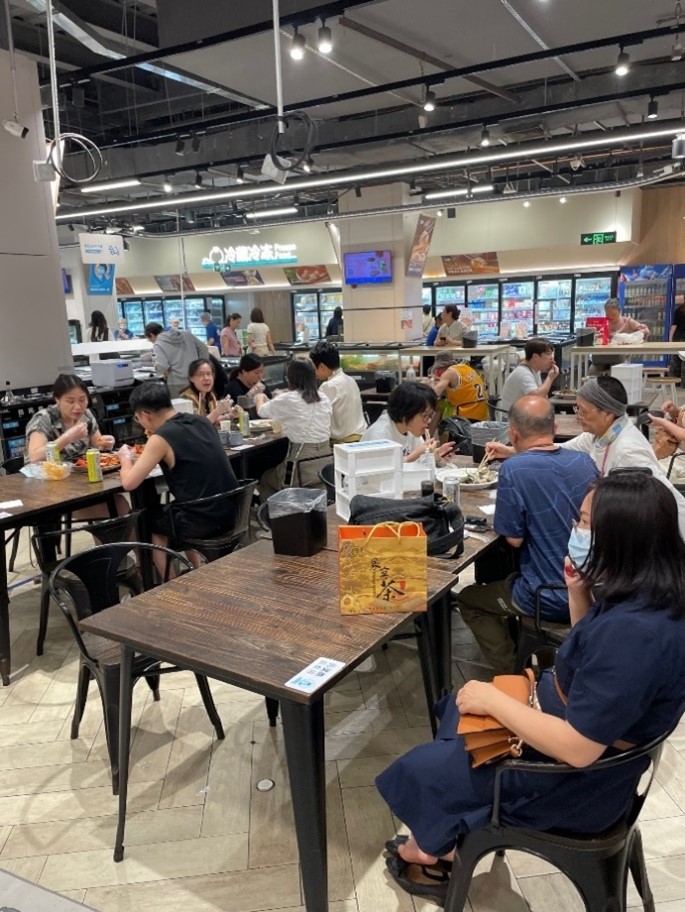
We visit company factories, test firsthand new consumer products and services and of course speak with management. But once a year, our entire research team gets together to visit companies in a couple of cities in China. Part research, part team building, these grassroots research trips play an important role in our research process. After all, there is no better way to understand the companies and their operating trends than actually walking the floors of factories and shopping malls.
There is no shortage of controversies when it comes to investing in Chinese stocks today. It seems like a long time ago now, but the first quarter this year the market was largely defined by China’s “DeepSeek moment”, with investor attentions squarely focused on thematic names in the AI and humanoid robot industries. In Q1, the Chinese consumers were also showing initial signs of bottoming, with consumer confidence finally bouncing back after three years of property-led downturn. But China was then hit hard by US tariffs at the beginning of April, only to see that mostly reversed just a few weeks later. Despite all these, over the last 1-year MSCI China All Shares (capturing both offshore Chinese stocks and the domestic A-shares) has outperformed the S&P by about 1%, as of yesterday, in dollar terms. Most of that performance came this year, despite the tariff-related headwinds. MSCI China All Shares returned 9.8% year-to-last Friday, outperforming the S&P by about 8% in dollar terms.
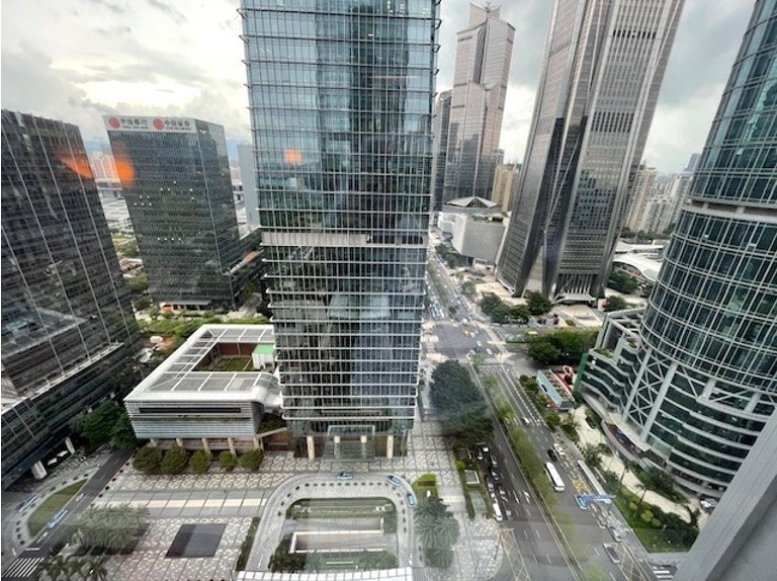
That’s why we begin our trip this year in Shenzhen, the southern metropolis just across the border from Hong Kong. From its humble beginning as China’s economic experiment, today Shenzhen is the third largest city in China both in terms of population and also the size of its GDP. It is also home to many of China’s leading technology companies, particularly those in tech hardware assembly, software development and of course EV supply chain. There is no better place to take stock of China’s tech innovations, as well as the damages to companies and consumers from the American tariffs.