On the ground in Xiamen: Sweat, Copper, and Supply Chains – day 4

17 June 2025
4 min read
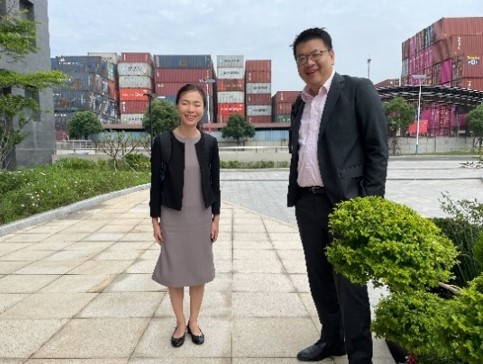
We began Day 4 in Xiamen, though truthfully, it was hard to leave the blessedly air-conditioned hotel lobby.

The moment we stepped outside, we were hit with another wave of oven-grade humidity, and little did we know, the factory floors we’d visit would somehow manage to turn up the heat even more. Research is a full-contact sport — and today, it came with a side of sauna.

With a population of just over 4 million, Xiamen may not be China’s largest city, but it plays an outsized role in the country’s economy. It contributes more than 40% of Fujian province’s GDP and serves as a critical hub for export-oriented manufacturing, especially in electronics, logistics, and machinery. It’s also home to a growing number of mid-sized innovators — the kind of companies that help us understand how Chinese exporters are adapting to tariffs, tech decoupling, and global competition. In short, it’s the perfect place to take the pulse of China’s industrial resilience and innovation engine.

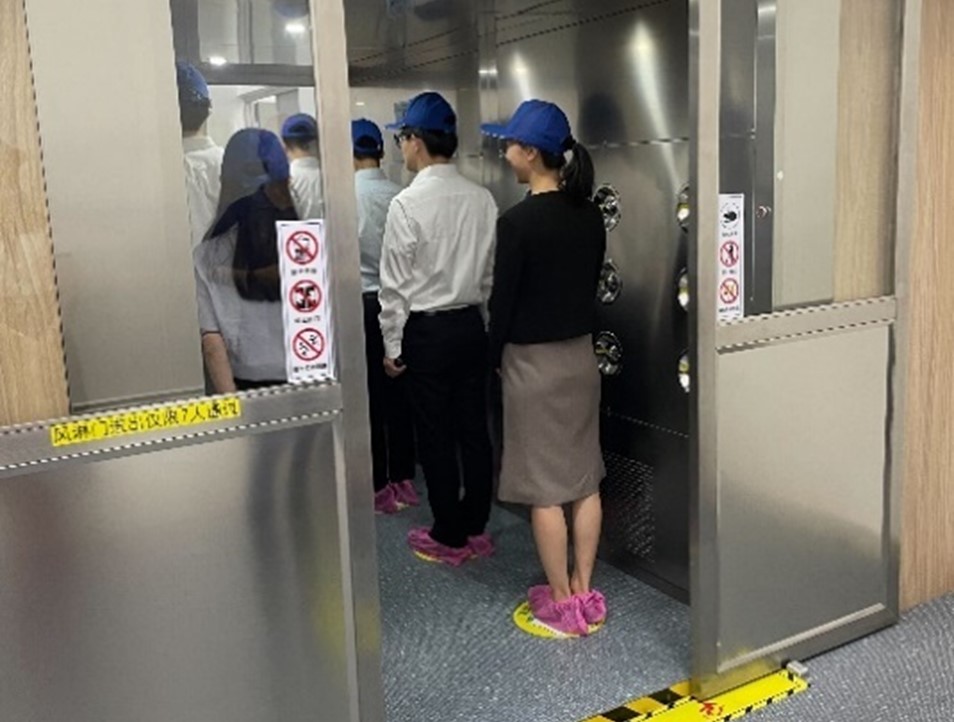
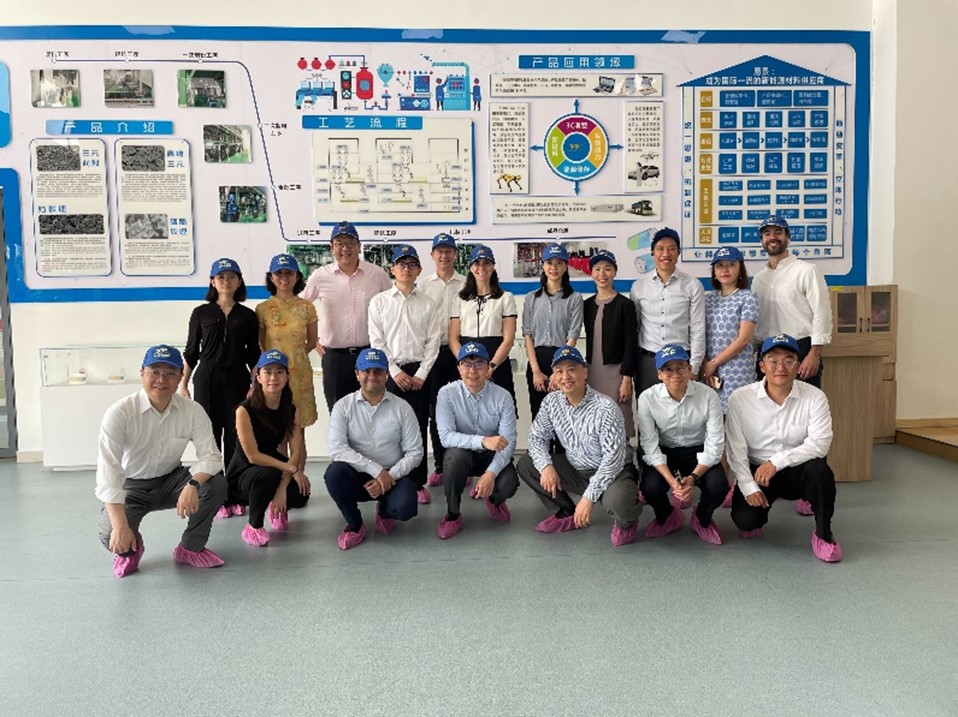
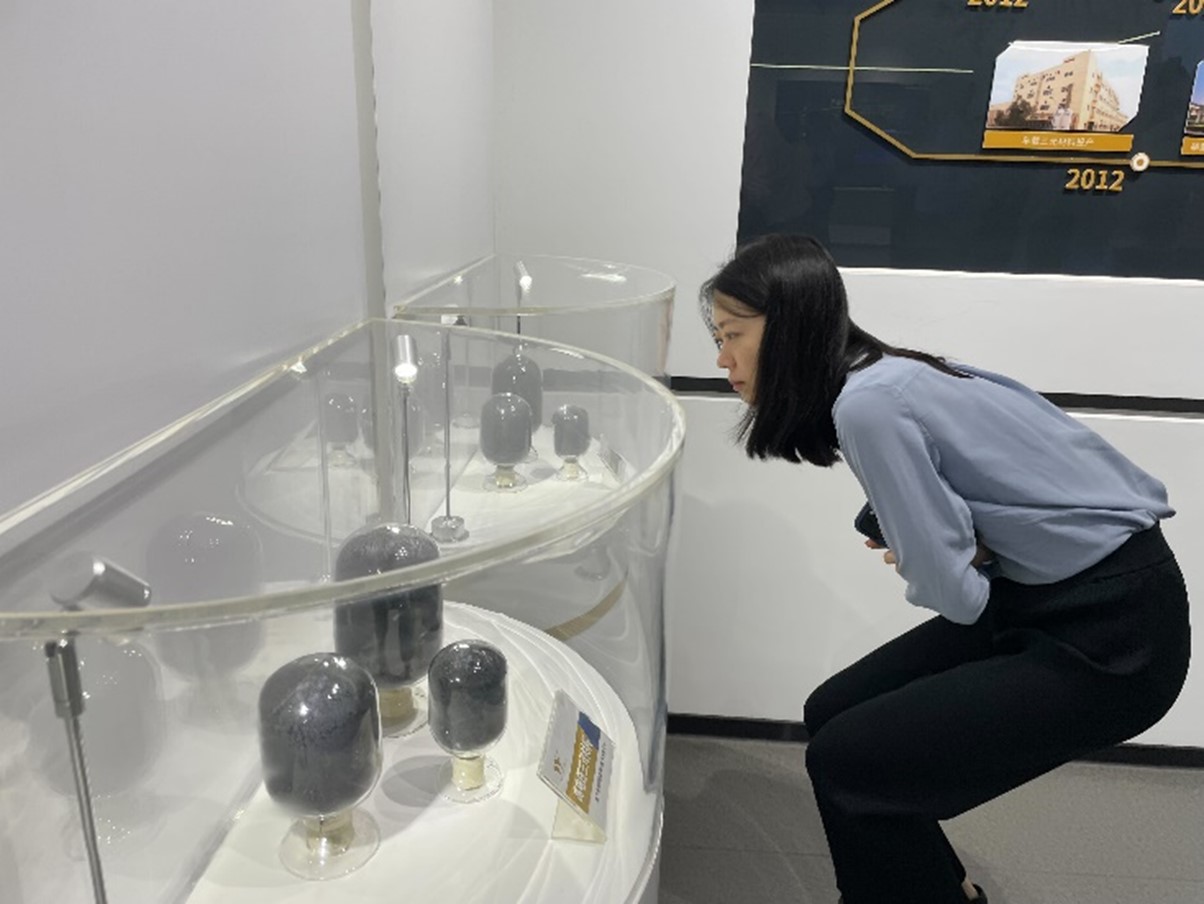
Our first stop in Xiamen was XTC New Energy, a leading cathode materials producer and a prime example of how Fujian province has quietly become a powerhouse in China’s EV supply chain, alongside giants like CATL. Originally spun out of Xiamen Tungsten, XTC now dominates the global market for lithium cobalt oxide used in consumer electronics, while also expanding rapidly into EV and energy storage materials. Despite being a state-owned enterprise — complete with party slogans on the factory walls — the company operates in a cutthroat, price-driven commodity segment, where survival depends on constant innovation and cost control. We toured the factory floor, where the high-temperature chemical refining process made the already sweltering Xiamen heat feel almost refreshing by comparison. The big takeaway? In the race to power the future, it’s potentially the “pick-and-shovel” players like XTC — refining raw materials into high-performance battery components — that quietly deliver some of the most compelling investment stories.

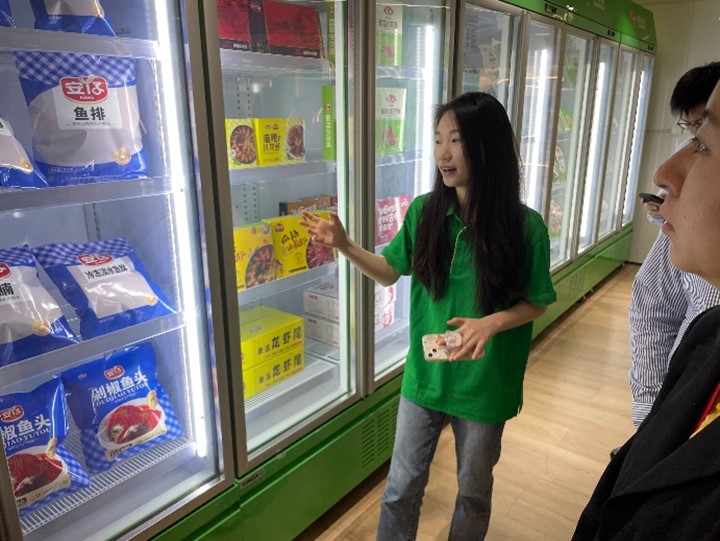
Our second visit in Xiamen was with Anjoy Foods, China’s largest frozen food company and a name that surged during the pandemic as hot pot ingredients and ready-to-eat meals flew off the shelves. But like many consumer-facing businesses, growth has cooled — Q1 saw both revenue and profit decline off a high base, reflecting a broader theme: Chinese consumers aren’t collapsing, but they’re not exactly shooting the lights out either. The company sees demand as “range-bound,” with wage growth stable and labor markets still tight — in fact, they’re still struggling to hire factory workers, a subtle but important signal that underlying labor demand remains healthy. Looking ahead, Anjoy is eyeing Southeast Asia for expansion, especially in halal markets like Malaysia and Indonesia, continuing the now-familiar theme of Chinese companies turning to the Global South for their next leg of growth. It’s a reminder that even in frozen food, the strategy is anything but static.

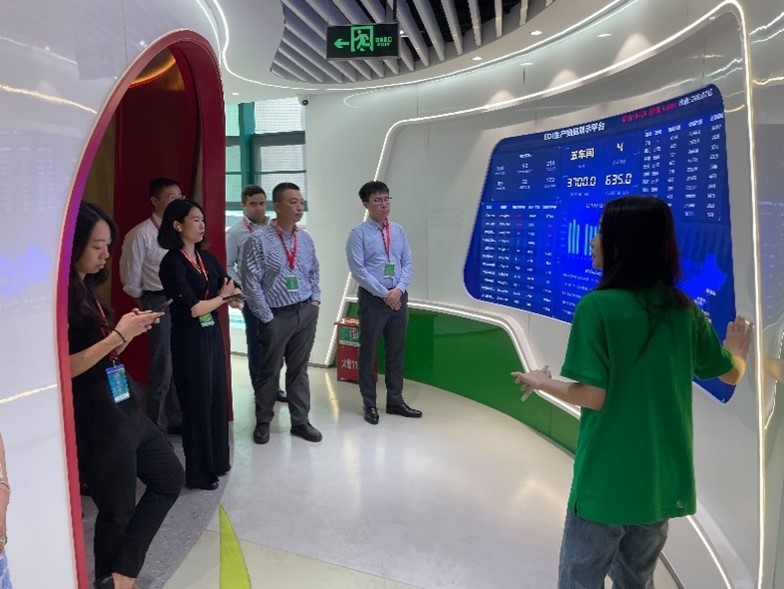
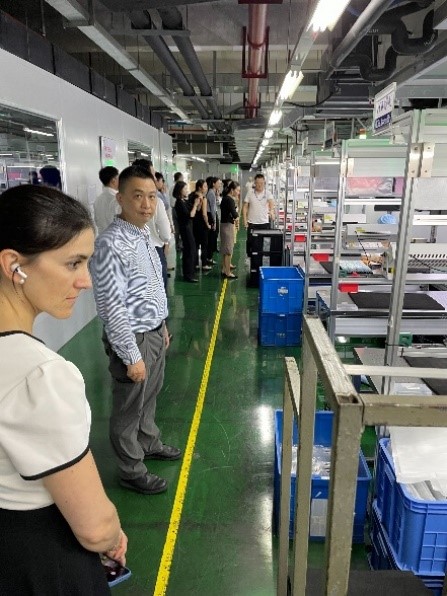
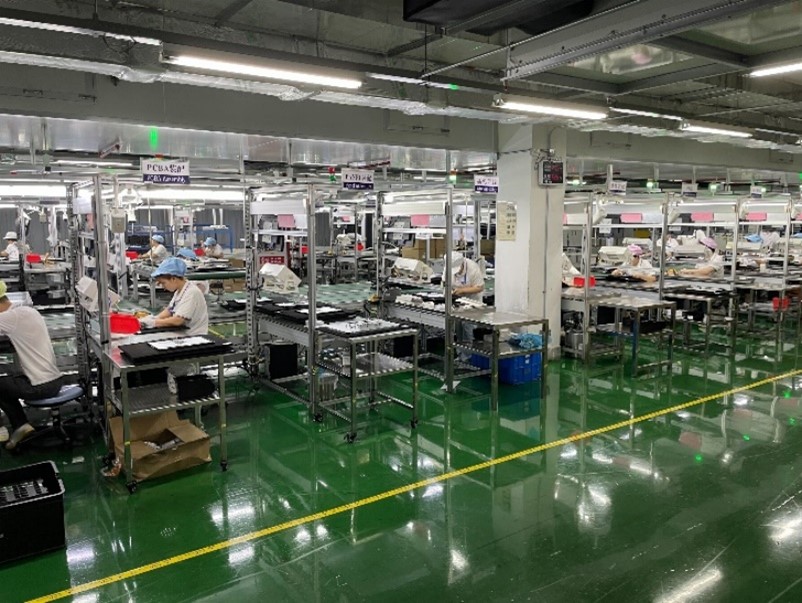
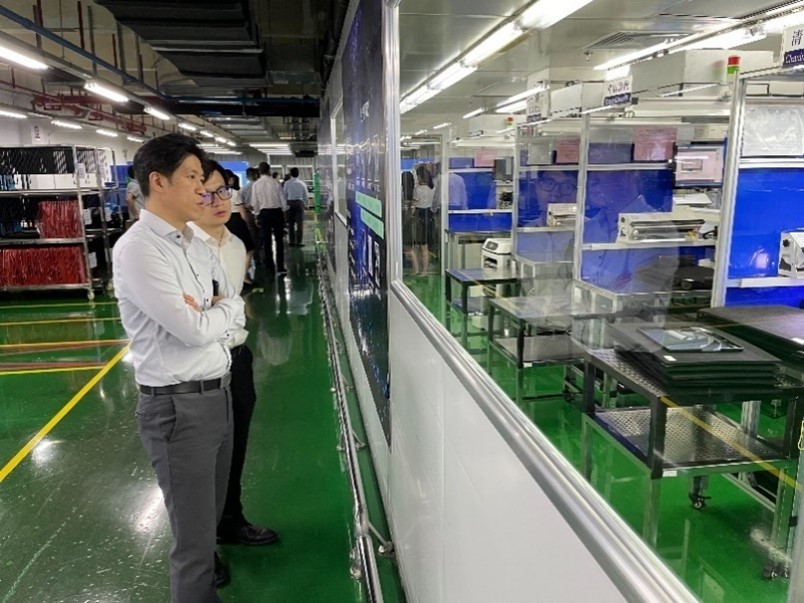
After a quick lunch, we headed to our third company of the day, Xiamen TES, a display hardware manufacturer whose products show up in everything from McDonald’s kiosks to Tesla dashboards. We walked the factory floor and were struck by the surprisingly low level of automation — but that appears to be intentional. TES focuses on small-batch, highly customized production, which makes automation less practical but allows them to sustain solid margins despite a hands-on assembly process. Like Shenzhen KTC yesterday, it’s another reminder that there are many ways to make money in China’s manufacturing world, even in labor-intensive models. With over 90% of revenue from exports — and 30% exposed to the U.S. — TES has already begun shifting production to Thailand to hedge against tariff risks. Their approach is pragmatic: build first, optimize later, as they continue to adapt to shifting trade winds while exploring a third production base outside China and Thailand.

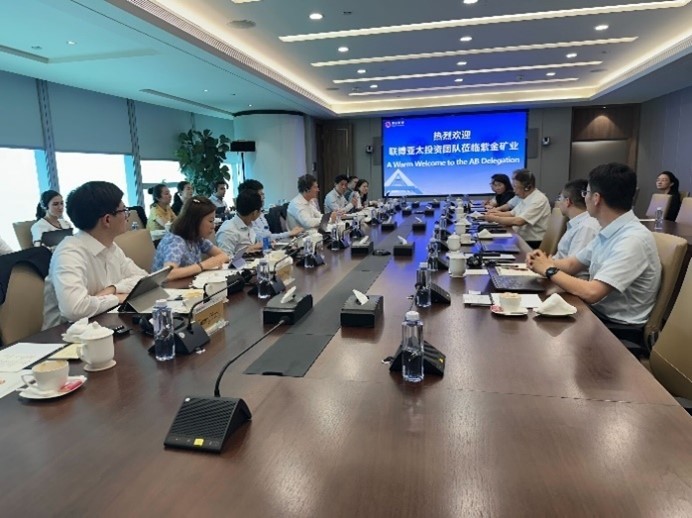
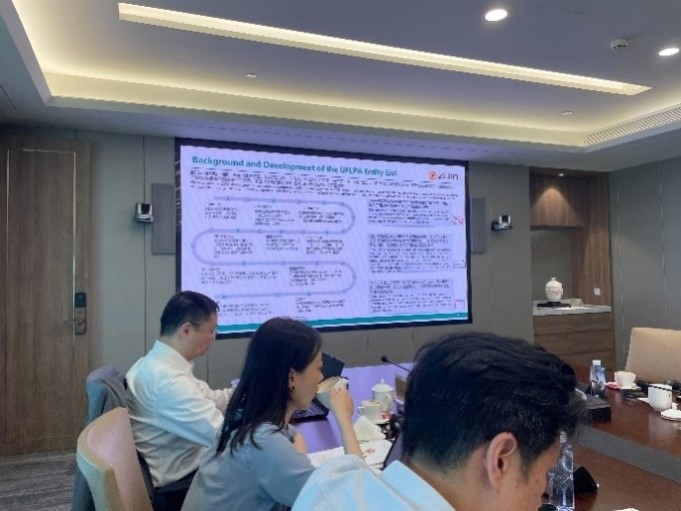
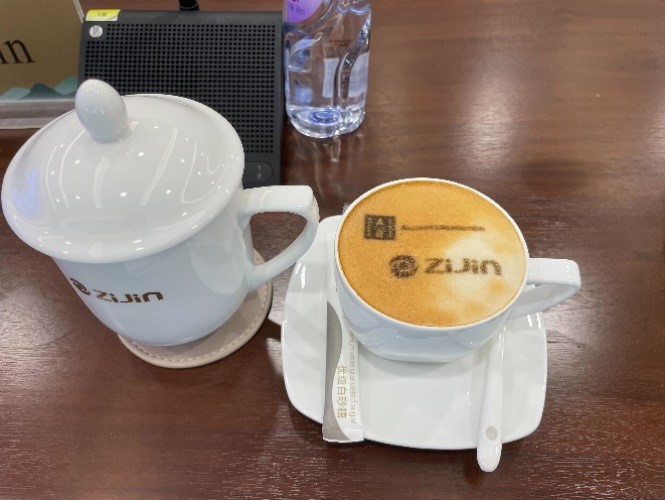
We wrapped up our final corporate meeting of the trip with Zijin Mining, one of the world’s largest producers of copper and gold — and a company we know well from past interactions, including on-site visits to their mines by our analysts. While much of the conversation focused on strategy and global expansion, what stood out was Zijin’s proactive approach to ESG, a core pillar of our research process. The chairman opened the meeting by addressing the company’s inclusion on the UFLPA Entity List, emphasizing their commitment to human rights and local community development. It’s clear Zijin is working hard to demonstrate transparency and responsibility, even as it navigates complex geopolitical terrain. With a global workforce that now includes more non-Chinese than Chinese employees, Zijin is a truly international player, and its strategy of owning and developing its own resources — rather than outsourcing — sets it apart. Whether it’s lithium (where they see a 2–3 year bottoming process) or gold (where they’re uber bullish), Zijin continues to position itself as a long-term, globally minded operator in a sector where geopolitics and ESG are increasingly inseparable from investment outcomes.

That’s a wrap on our final day of company visits — and what a journey it’s been. From sweating through factory floors to sipping drone-delivered bubble tea, we’ve covered a lot of ground (and sectors) across Shenzhen and Xiamen.

We’ll be flying back tomorrow, and with a bit of altitude and distance, we’ll share a more thoughtful reflection on the key themes and takeaways from this year’s China research trip. Stay tuned — the real insights often come when the suitcase is packed and the mind has a moment to breathe.

Best,
John Lin
Chief Investment Officer – China Equities
AllianceBernstein

Click here to read about Day 3.
Click here to read about Day 5.

The views expressed / information contained here may change at any time after the date of this email. This email is provided by AllianceBernstein Australia Limited (ABN 53 095 022 718 AFSL 230 698) (“ABAL”). This email does not constitute “personal advice,” as defined in the Corporations Act 2001. This email content has been provided to you for use in a private and in confidence to discuss a potential or existing investment advisory relationship. This email is not an advertisement, is not intended for retail or public use or distribution beyond our private meeting and must be returned to us immediately upon demand.

References to specific securities are presented to illustrate the application of our investment philosophy and portfolio construction process and are not to be considered recommendations by ABAL. The specific securities identified and described in this presentation do not represent all of the securities purchased, sold or recommended for the portfolio, and it should not be assumed that investments in the securities identified were or will be profitable.  The views of any specific securities identified and described in this document are those of a specific portfolio management team and portfolio strategy at a point in time and which may differ from the views of other portfolio managers managing other strategies.

No reproduction of the materials in this email may be made without the express written permission of ABAL. This information is provided for persons in Australia only and is not being provided for the use of any person who is in any other country.

For wholesale use only. Not for inspection by, distribution or quotation to, the general public.


About the Author