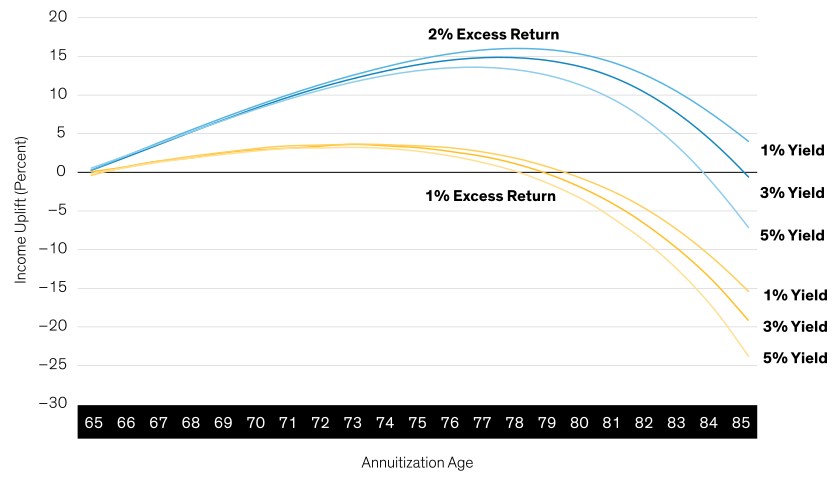
In this analysis, the optimal age to annuitize depends on just two factors: higher return assumptions favour retaining assets in an investment portfolio whereas higher yield assumptions favour considering annuitization.
Ultimately, DC savers’ personal circumstances and tolerance for risk should drive their decision as to whether and when to annuitize, and we believe there’s no one-size-fits-all age that’s definitive. Even so, we think that, in the new investment regime, the probability of achieving a 2% excess return over cash will be much smaller than before, which means that for many members, 75 could be the salient point when the balance of advantage may start to shift in favour of considering annuitization.
How Can UK DC Savers Decide?
Whereas US DC savers can access more sophisticated insurance options that enable them to retain their investment portfolio throughout retirement (for instance, guaranteed lifetime withdrawal benefit insurance), the UK insurance market is more limited. It offers only a binary one-time choice between maintaining control of capital and annuitization. Before making their decision, UK DC savers should therefore carefully consider a range of factors, which include: their other pensions, assets and income streams; personal health circumstances; risk tolerance; and available annuity purchase options—both choice of provider and timing.
We think a reasonable retirement strategy for DC savers is to stay invested in either a lifetime income default fund or an institutional-quality, multi-asset income drawdown product to at least age 75, then to consider annuitizing thereafter. Savers with a low tolerance for longevity risk might annuitize at or shortly after age 75, depending on their circumstances and available annuity terms. Savers with a higher risk tolerance might prefer to stay invested in an appropriate multi-asset income drawdown product until later in life.
This “wait-and-see” strategy of deferring annuitization and then making an informed annuitization decision based on prevailing circumstances potentially provides a dual benefit. Staying invested would likely help to achieve higher returns in the initial post-retirement phase—which would be even more important in a lower-return investment regime. Thereafter, retaining the option to annuitize would be a valuable protection against longevity risk. For this approach, we think it’s not enough for investors to seek out DC retirement-income strategies that offer good value and have a robust investment process. It’s also important to look for providers that have a proven record of maintaining the value of invested capital, such that savers can annuitize later in life on equivalent or better terms than annuitizing early.