Volatile Policymaking Means Less Clarity for Markets
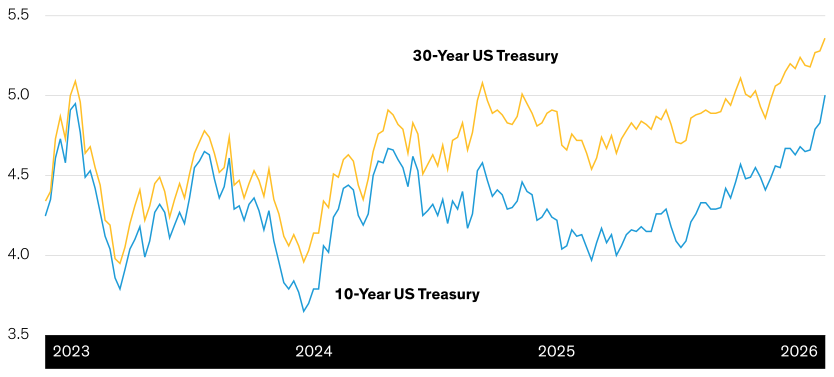
Another factor pointing toward higher yields is policy-induced volatility. Fed credibility aside, Chair Kevin Warsh’s communication strategy is a clear break from past practice. Typically, the Fed has shared insight into its economic outlook and how policy should respond. Warsh has refused to do either. He believes it’s more important for the Fed to get signals from asset prices that aren’t influenced by Fed guidance.
We don’t think the Fed should make explicit commitments about the path of rates for the most part, but it should still explain its reaction function. In other words, what would motivate it to change rates over time? Warsh has refused to do even that, stoking volatility in bond markets. If the market doesn’t get a better answer to that question, higher volatility will stick around. That means the “term premium,” the extra compensation investors require for holding bonds, will also stay elevated, keeping yields higher.
The Treasury Department has introduced policy volatility, too, becoming more active in markets as yields have risen. It intervened in currency markets, buying yen and selling dollars to help Japan shore up its currency. The Treasury also deviated from its “regular and predictable” bond issuance and buyback schedule, tripling the amount of longer-term bonds it intends to buy back. Increased bond purchases pushed yields down briefly, but we think more frequent intervention over time will more likely push yields up. After all, irregular, unpredictable bond buying could just as easily turn into bond selling. That argues for a higher risk premium in Treasury bond yields.
AI Debt Issuance Has Stiffened Competition in the Bond Market
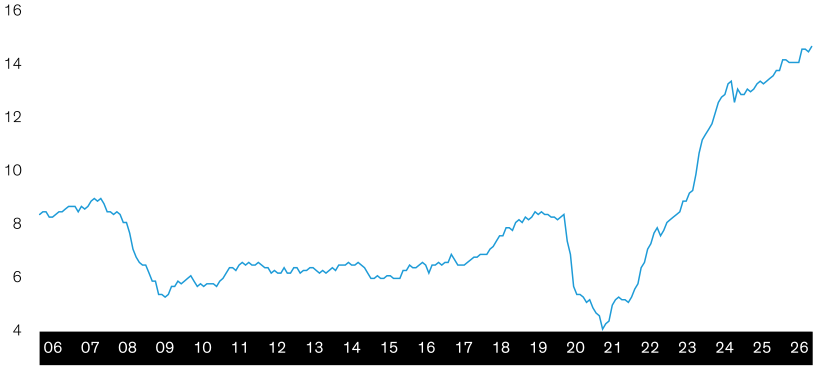
AI firms have dramatically boosted their corporate debt issuance, particularly in the case of so-called “hyperscalers,” large cloud-computing companies with massive data center networks. The scale and speed of that bond issuance seem likely factors behind rising Treasury yields. The surge in AI debt issuance creates more competition for Treasury bonds, broadening the choices for investors. To keep Treasuries an attractive destination, their yield has to be higher than it otherwise would be.
Higher Rates for a While, with Fiscal Challenges Growing
Most of the factors driving bond yields up recently seem set to last, so we expect yields to stay elevated relative to their recent history. They won’t necessarily keep rising as fast as they have in recent weeks, but we don’t expect them to drop back to previous levels in the near term, either, unless there’s a significant policy innovation.
Higher yields generally slow economic growth, but we believe the US economy is strong enough to withstand higher rates for the next few quarters. AI-related capital spending is likely to be unusually insensitive to a higher cost of capital, enabling it to continue supporting the economy.
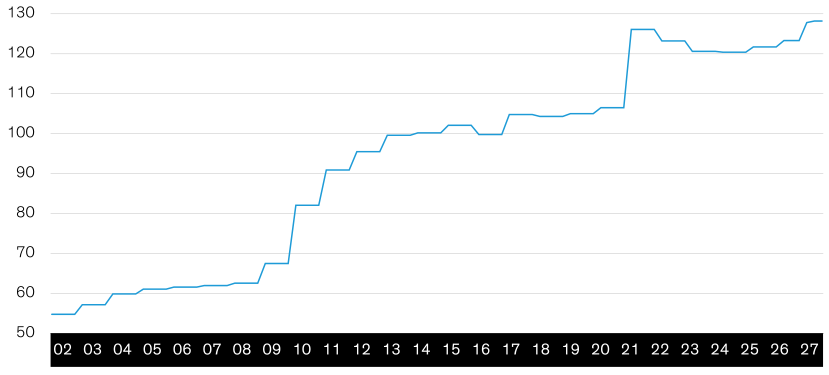
We see fiscal policy as the more likely friction point. Higher funding costs will bite into the federal budget increasingly over time, and we see little reason to expect Washington to rein things in—even after the US midterm elections. The US can continue kicking the fiscal can down the road, but those kicks will become more costly.