A multifaceted perspective is critical for a full understanding of opportunity and risk.
At the halfway point of 2026, resilient growth, persistent risks and tight spreads complicate insurance portfolio decisions. As macro paths diverge and capital standards evolve, we think insurers need to look beyond broad asset-class labels—focusing on collateral quality, liquidity, cash-flow variability and segments where valuations still compensate for risk.
A Resilient Global Economy, but Keep a Close Eye on Downside Risks
The global economy has held up fairly well to this point, but the downside risks have increased. Higher oil prices from the Middle East conflict could keep inflation elevated, while softer growth could push monetary policies in different directions as central bank mandates diverge.
Geopolitics and AI adoption are key variables. A quick resolution in Iran could ease oil prices, while a prolonged shock would risk disrupting a macro landscape that’s more fragile than in 2022. AI-driven productivity gains could support growth without stoking inflation but might also cost jobs. And there’s a risk that AI’s outcomes may not justify heavy capital spending.
In the US, a decline in interest rates may be in order, because risks seem to be skewed more toward growth and financial conditions than core inflation. Ten-year Treasury yields are still above their 2022 levels when inflation was 9%, and the yield curve remains dislocated, with much higher yields than we would expect, particularly at shorter maturities. In Europe, the starting point is very different from the severe disruption of 2022. Today, inflation has cooled, policy has evolved from ultraloose to restrictive/neutral and gas prices are much lower.
Surveying the Insurance Industry Balance Sheet
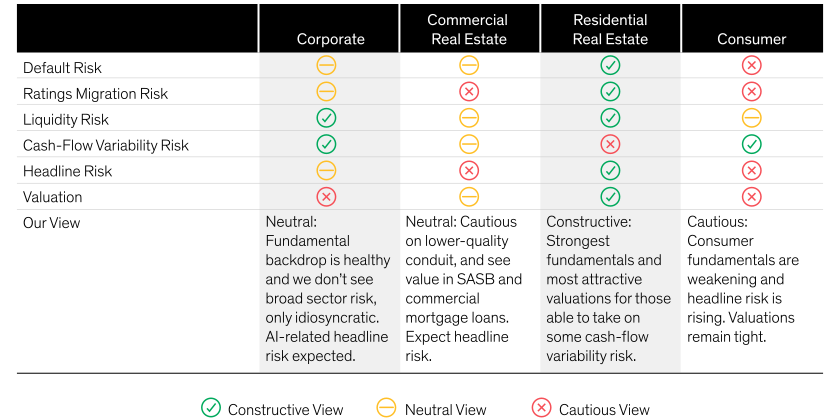
With relative value harder to come by, insurers are looking for creative balance-sheet solutions. We still see residential real estate as attractive for insurers that can manage cash-flow variability. When assessing opportunities, we believe that a holistic approach across public and private markets makes sense. Insurers should keep asset duration aligned with liabilities, and asset-liability management will likely become more important in Asia as capital standards tighten.
On the liability side, North American annuity sales—especially RILAs and traditional VAs—surged in 2025, supported by strong equity markets. As of the first quarter of 2026, annuity sales were more flat, with continued strong growth in variable annuities more than offset by declines in fixed annuity sales. Spread lending through the Federal Home Loan Banks (FHLBanks) and funding agreement–backed notes (FABN) has supplemented income, though it’s drawing NAIC and rating-agency scrutiny. In the UK, high rates could sustain annuity demand into 2026, while in Europe, property and casualty profits should remain solid, despite claims inflation and higher reinsurance costs. China’s life insurance premiums are expected to grow substantially through 2029.
We expect insurers to continue exploring alternative capital sources. Sidecar activity has grown, and capital is flowing into partnerships, with asset managers offering differentiated origination and tailored asset-focused solutions. We expect more sidecar volumes from Asia-focused liabilities to continue.
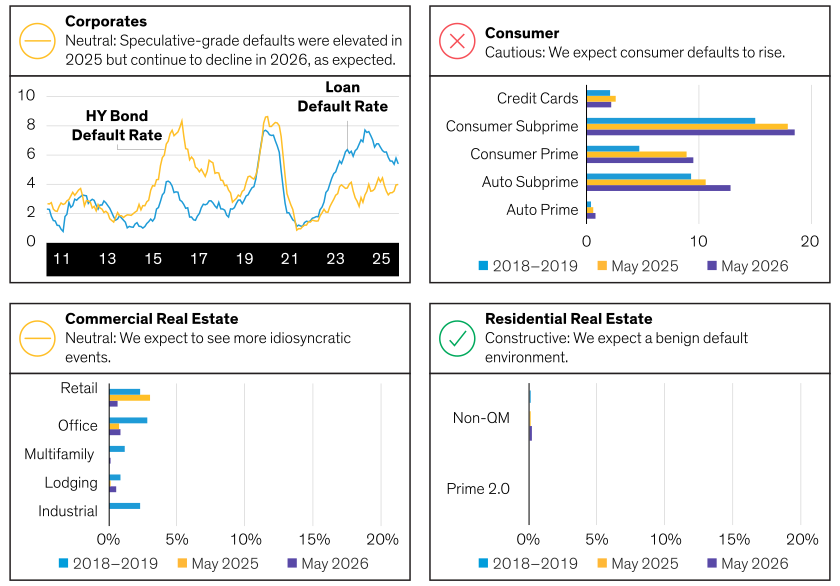
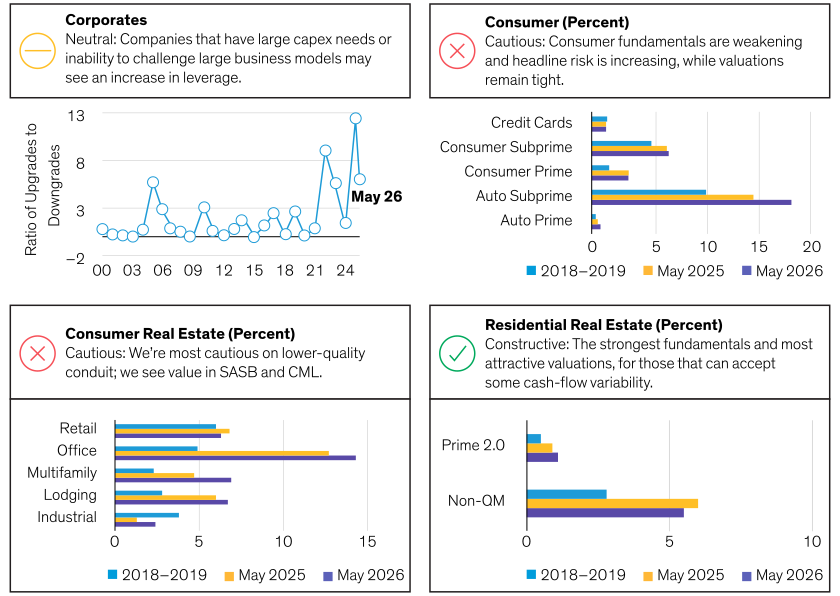
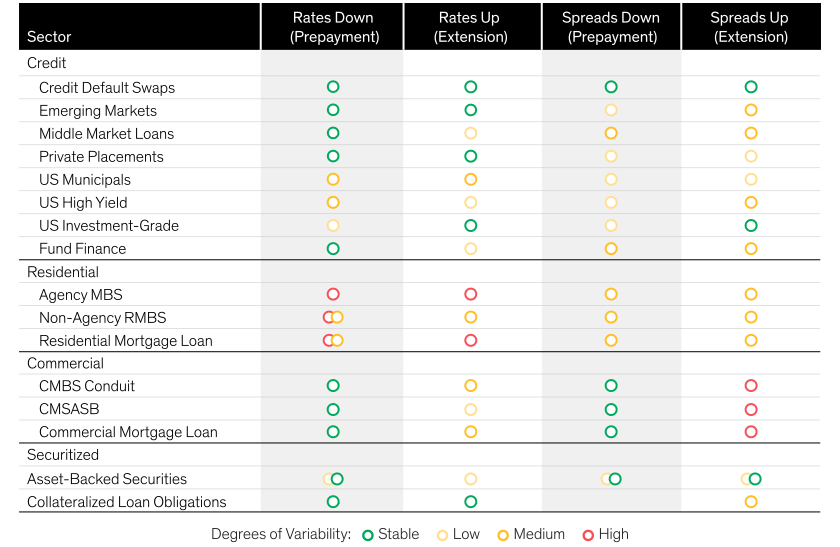
An assessment of insurance portfolio construction, in our view, is well served by considering four collateral risk buckets—corporate, commercial real estate, residential real estate and consumer (Display), as well as five key risks, which we’ll assess next.