AB On the Ground

Eastern China

22 June 2018
3 min read
2,266
Miles Traveled
3
Cities in Eastern China
11
Innovative Companies
There’s no better way to understand a place–especially one changing as fast as China–than to see up close how people there live, work and play.

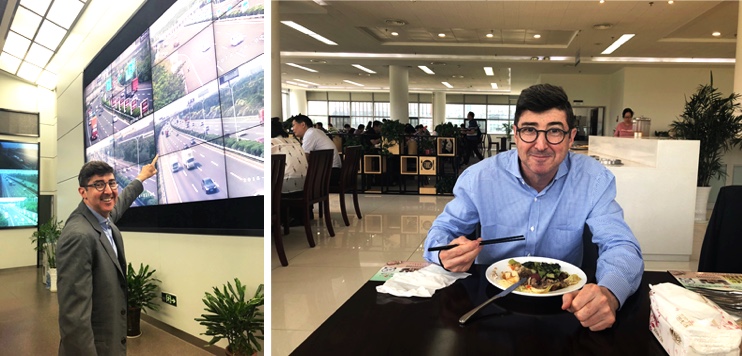
That’s why the entire AB Asia Value Equity team has taken a team trip to China every year for the past 10 years. While individual members of the team visit China frequently throughout the year, having the entire team together always brings new insights and fresh ideas. See what we learned this year in the eastern cities of Weifang, Jinan and Nanjing.

Day 1: Lessons in Getting from Here to There

(From Hong Kong to Qingdao to Weifang)

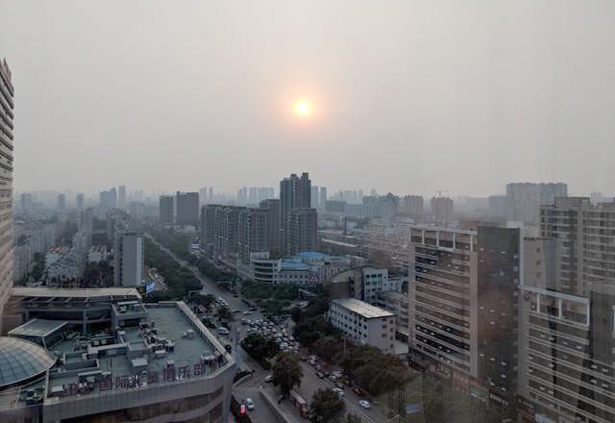
China has built up its infrastructure at a frenetic pace, but our experience tells us there may be more to do. Weifang, for example, is home to 9 million people and has a GDP of US$80 billion, but there aren’t many direct flights from international hubs.

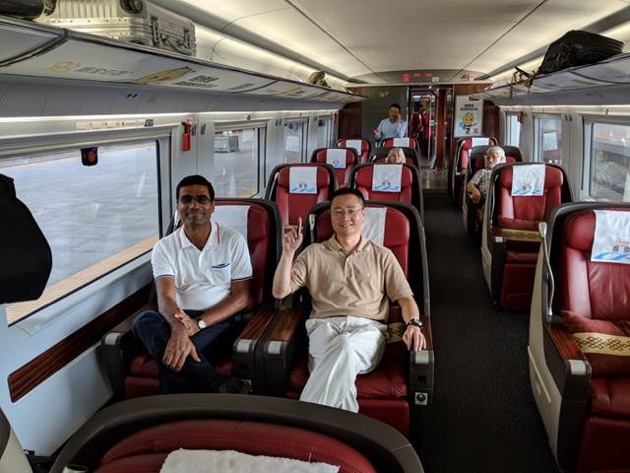
We flew from Hong Kong to Qingdao (home of Tsingtao Brewery) and then took a high-speed train to Weifang. Tickets were surprisingly hard to get: we grabbed the last few and split our team onto two trains to complete our trip. That said, the business-class seats were quite comfortable!

Day 2: The Two Sides of Chinese Manufacturing

(Weifang)

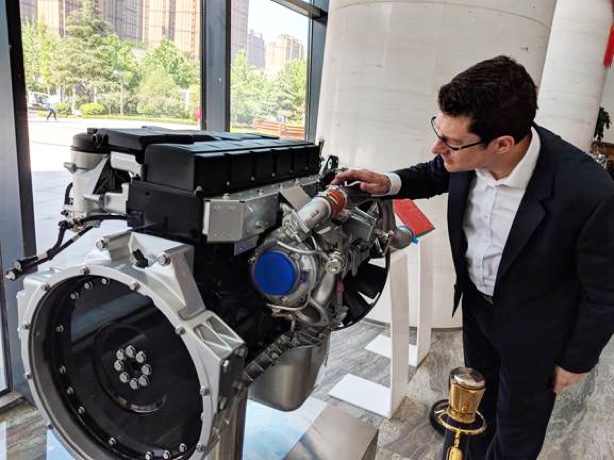
Today we met with China’s largest heavy-duty diesel engine truck manufacturer, Weichai Power. As more Chinese consumers buy things online, demand for trucks to transport those items has soared, and so have Weichai’s profits.

The engine factory floor was clean, orderly and... lonely. It was hard to spot an actual worker among the rows of machines and robots. Only when we moved to the final assembly area did we see columns of workers putting the final touches on 12- and 13-liter diesel engines. Automation is one reason Weichai is outcompeting some of its foreign rivals.

High-Tech Gadgets

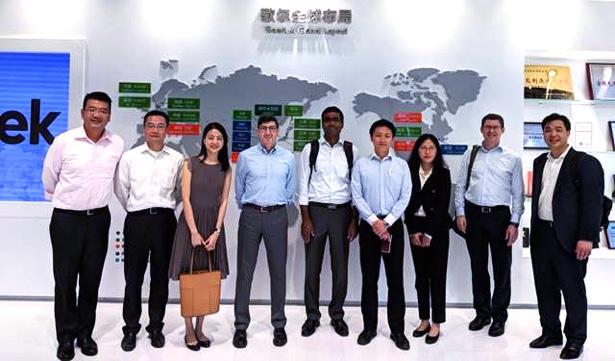
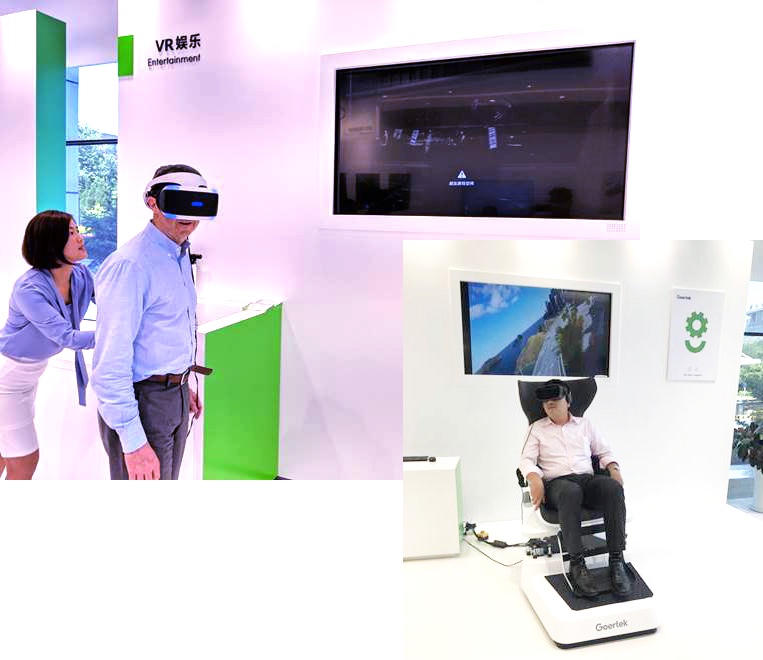
We visited Goertek, which makes Apple’s AirPods, Sony PlayStation 4’s virtual reality (VR) headsets and Facebook’s Oculus Rift VR System. The company's most important products, however, are its acoustic hardware technologies, including speaker boxes and smartphone microphone receivers. Keen to boost domestic technology companies through the “Made in China 2025” initiative, the Chinese government is helping Goertek develop autonomous aerial drones.

Day 3: More Big Trucks and Consumers, Consumers, Consumers

(Jinan)

The Industrial Recovery Is for Real

Continuing our exploration of the industrial recovery, we started the day at Sinotruk, a heavy-duty truck manufacturer owned by the Chinese government. Here again we heard strong demand predictions, this time thanks to a resurgence in construction projects.

We also saw evidence that industrial companies are staying disciplined in terms of capital expenditures and capacity expansion. Sinotruk and other firms have used rising profits over the past two years to repair their balance sheets and, in some cases, to increase dividends rather than overexpand.

All About the Almighty Chinese Consumer

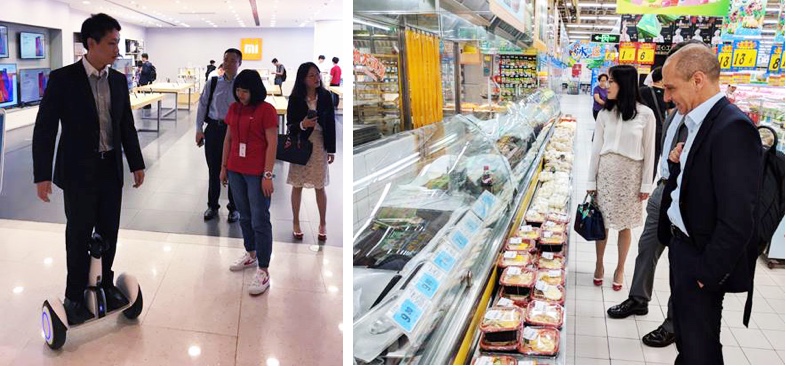
A visit to one of Xiaomi’s branded stores reminded us that winning the domestic market can turn a startup into a serious global player in just a few years.

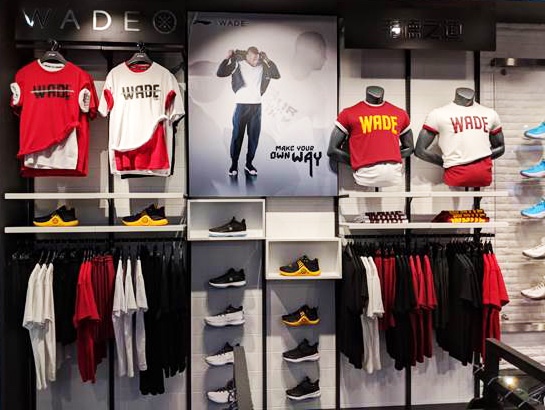
Consumers are starting to prioritize experiences and better health over conspicuous consumption, which has boosted sportswear sales across China. We checked out the online ordering system and products at sportswear brand Li-Ning.

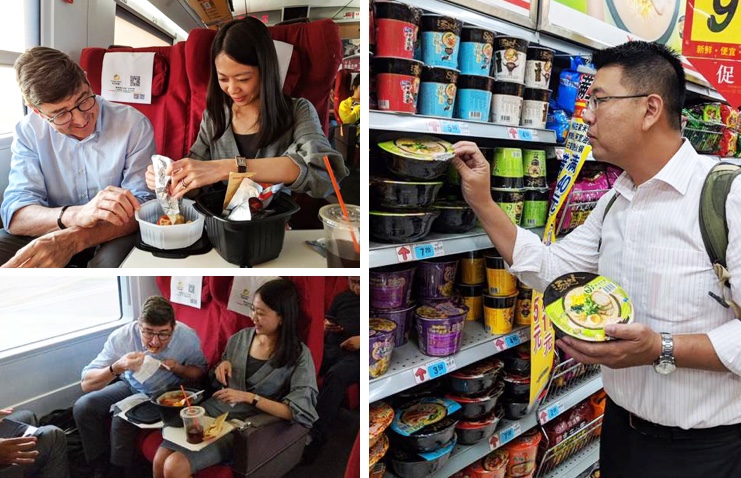
Analyst Vivian Chen and Emerging Markets Chief Investment Officer Henry D’Auria try out an instant, self-heating Chinese hot pot while traveling 300 km/h on a bullet train.

Special Delivery

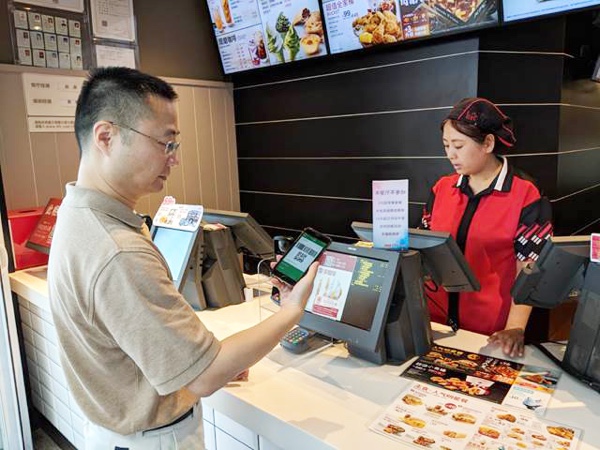
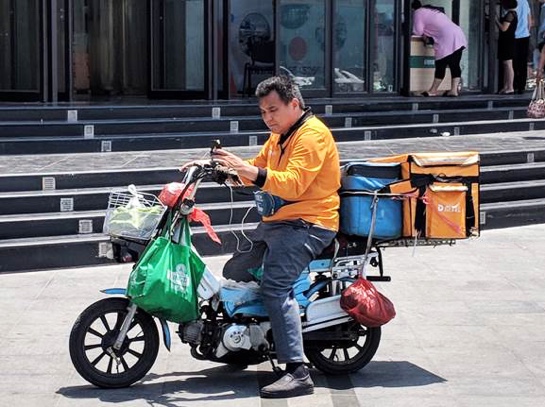
Food delivery apps have exploded in Jinan, and delivery bikes take over the city’s streets at lunchtime. So plentiful are the opportunities for blue-collar workers that we hear their wages are rising faster than those of white-collar clerical workers.

Day 4: Last Stop

(Nanjing)

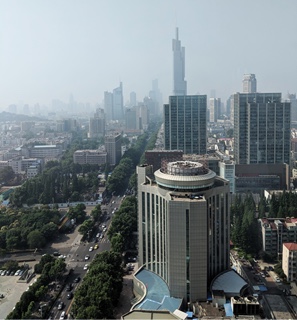
We spent the day in Nanjing, a bustling metropolis of 12 million people in the coastal Yangtze River Delta region. With a GDP per capita of over US$20,000, Nanjing is a very wealthy city.

At the Bank of Nanjing, one of China’s largest city commercial banks, and Huatai Securities, one of the country's largest stock brokerages, we learned about current liquidity conditions and evolving consumer preferences. Chinese savers are diversifying away from plain-vanilla bank accounts for storing their wealth.

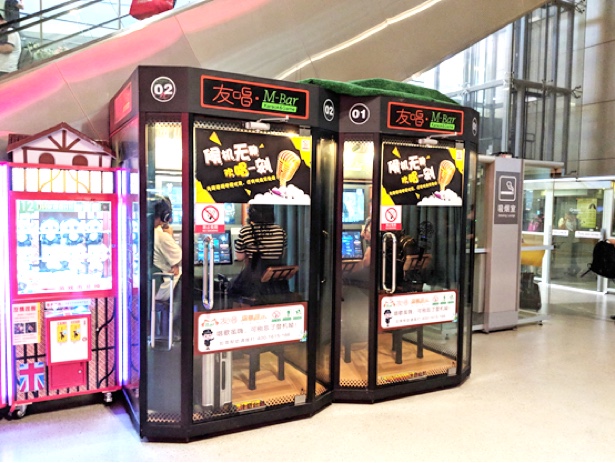
As I waited for my flight to Shenzhen at the Nanjing Airport, people singing their hearts out in karaoke phone booths next to my gate served as a final reminder that consumers and services are increasingly driving the Chinese economy.

Turning a delayed flight into a party? That’s an idea we can get behind.

The views expressed herein do not constitute research, investment advice or trade recommendations and do not necessarily represent the views of all AB portfolio-management teams.

References to specific securities are presented to illustrate the application of our investment philosophy only and are not to be considered recommendations by AllianceBernstein L.P.